


Where it belongs
Face the murti east or north-east in a clean, quiet corner of your home mandir, raised a little above the floor.

 Menu
Menu
Svastika's
दीप ज्योति
The lamp lit before the deity, older than almost any ritual object still in daily use. Held aarti lamps, symbol diyas and standing lamps, in solid brass.
 Pooja Essentialsदीप ज्योति
 Pooja Thali
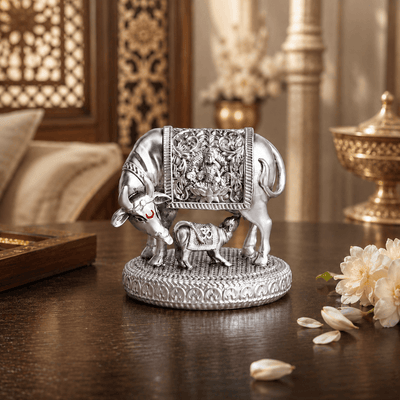 Diwali Gifts
 Dhanteras Gifts
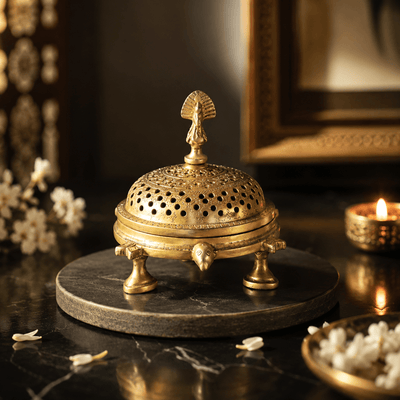 Loban Burners
 Lakshmi Ganeshशुभ लाभ
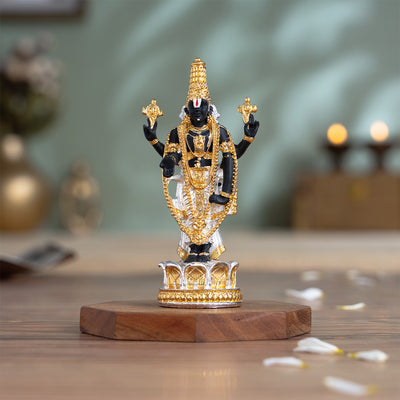 God Idols & Figurinesश्री देव प्रतिमा
Face the murti east or north-east in a clean, quiet corner of your home mandir, raised a little above the floor.
Pick a height that suits your altar — a 4–6 inch murti sits beautifully on most home mandirs, while taller pieces anchor a dedicated pooja room.
Wipe gently with a soft, dry cloth. Keep away from water and harsh polish — the finish keeps its lustre for years with a light touch.
The diya is the one object no Hindu household is without. The lamp lit before the deity is older than almost any ritual object still in daily use, and the flame itself, not the vessel, is what is sacred. What we make is the vessel, in solid brass, which is the metal that holds heat safely and lasts generations.
The same object carries different names across India: diya in the north, deepam across much of the south, kuthu vilakku and nilavilakku in Tamil Nadu and Kerala, samai in Maharashtra. All the same lamp.
Aarti diyas, small and often with a handle, held and circled before the deity during the aarti. The Om handle lamp and the Mushak diya are these.
Symbol diyas, where the lamp carries a form: Om, Swastika, Ram, Maa, Sai, Ganesha, Lakshmi. A lamp and a devotional emblem in one, and a good gift because it is used rather than only displayed.
Standing and decorative lamps, like the Kalpavriksha tree diya and the lotus diya, which sit rather than being held and hold more oil for a longer burn.
Deity diyas, where Lakshmi, Ganesha or Balaji Lakshmi form the lamp, the Deeplakshmi being the classic of these and particularly apt for Diwali.
Pairs and sets, since diyas are traditionally lit in twos or in odd numbers, and the Lakshmi Ganesh diya set is a common Diwali buy.
Both are used, and the choice is genuine rather than superstition. Ghee burns cleaner, brighter and with less smoke, and is traditionally preferred for the main deity lamp; it is the choice for a lamp meant to burn during puja. Sesame or other oil is more economical for a lamp that burns longer or for many lamps at once, as at Diwali. A wider vessel holds more fuel and burns longer, which is worth matching to how you will use it.
Cotton wicks, batti, are what these take. A round wick for a held aarti lamp, a longer wick for a standing lamp.
Brass darkens, which is oxidation rather than damage. Lemon and salt or tamarind lifts it, then rinse and dry completely before the next use. The single most useful habit: wipe the lamp out after each burn, while the residue is still soft, and it will need deep cleaning far less often. Burnt-on oil left to harden is what makes a diya look tired.
Safety: a brass lamp gets hot. Set it on a heatproof surface or a thali, not directly on cloth or a wooden shelf, and keep it clear of anything that can catch.
A diya is among the most given items at Dhanteras and Diwali, and a Lakshmi Ganesh diya pair is a reliable housewarming gift, because it is used on the day rather than put away. See griha pravesh and housewarming gifts; for volume, corporate gifts or the bulk order enquiry page. For the full ritual set see pooja essentials, and the deities themselves in god idols and figurines.
Add ₹ 4,999 more for A Free Brass "माँ" Diya


