


Match the size to the use
An 8 inch thali suits daily aarti; 10 to 12 inch is for festivals and gifting. Size a chowki to the idol, not to the shelf.

 Menu
Menu

Svastika's
दीप ज्योति
The vessels a household reaches for every morning. Heavy enough to be handed down, plain enough to be used without thinking about it.
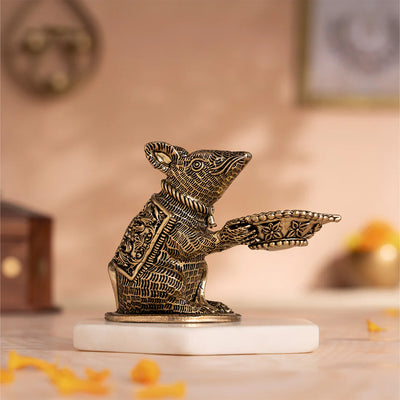 Brass Diyasदीप ज्योति
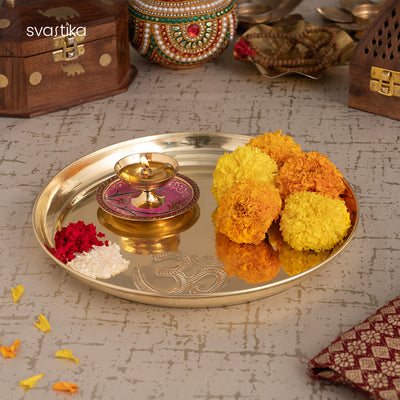 Pooja Thali
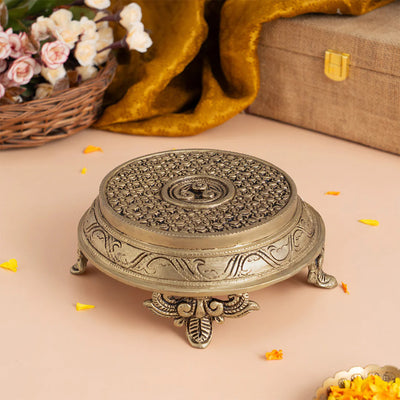 Chowki
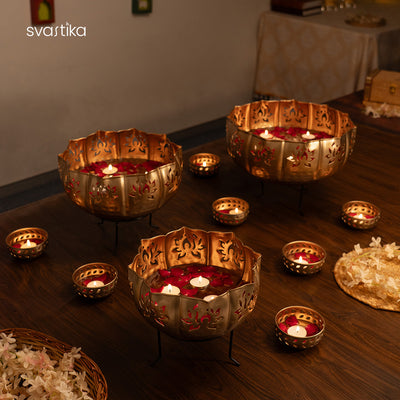 Urli Decorative Bowls
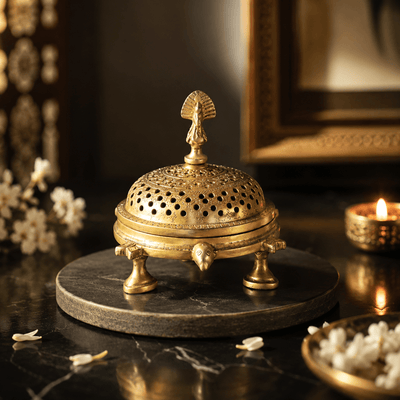 Loban Burners
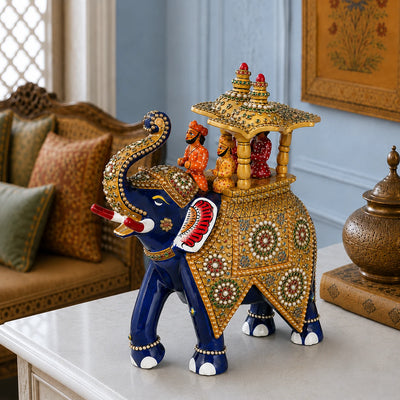 Meenakari Collection
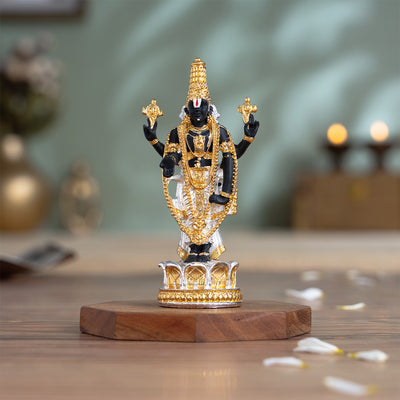 God Idols & Figurinesश्री देव प्रतिमा
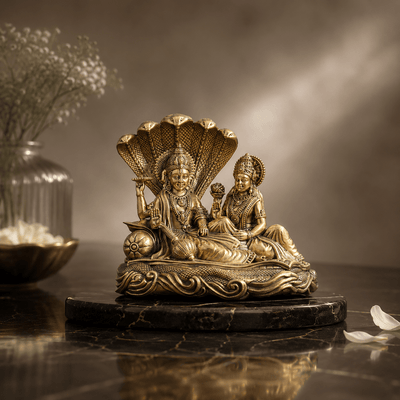 Brass Idolsपीतल
 Brass Mushak Diya for Pooja | Antique Aarti Diya (3 Inch)
₹ 3,049.00₹ 3,949.00
Brass Mushak Diya for Pooja | Antique Aarti Diya (3 Inch)
₹ 3,049.00₹ 3,949.00
 Brass Vertical Swastika Symbol Diyas (Set of 2)
₹ 1,249.00₹ 1,699.00
Brass Vertical Swastika Symbol Diyas (Set of 2)
₹ 1,249.00₹ 1,699.00
 Brass Lotus Shaped Diya - Gold & Silver Finish (4 Inch)
₹ 1,849.00₹ 1,999.00
Brass Lotus Shaped Diya - Gold & Silver Finish (4 Inch)
₹ 1,849.00₹ 1,999.00
 Brass Maa Symbol Diya (5 Inch)
₹ 849.00₹ 1,799.00
Brass Maa Symbol Diya (5 Inch)
₹ 849.00₹ 1,799.00
 Brass Tirupati Balaji Lakshmi Divine Diya (5.5 Inch)
₹ 3,849.00₹ 4,999.00
Brass Tirupati Balaji Lakshmi Divine Diya (5.5 Inch)
₹ 3,849.00₹ 4,999.00
 Brass Lakshmi Ganesh Diya Set (4.5 Inch)
₹ 5,049.00₹ 5,499.00
Brass Lakshmi Ganesh Diya Set (4.5 Inch)
₹ 5,049.00₹ 5,499.00
 Brass Horizontal Swastika Symbol Diya (Set of 2)
₹ 1,149.00₹ 1,499.00
Brass Horizontal Swastika Symbol Diya (Set of 2)
₹ 1,149.00₹ 1,499.00
 OM ૐ Brass Oil Lamp Diya with Handle - Set of 2 (3 Inch)
₹ 1,049.00₹ 1,299.00
OM ૐ Brass Oil Lamp Diya with Handle - Set of 2 (3 Inch)
₹ 1,049.00₹ 1,299.00
 Sold out
 Sold out
 Sold out
 Sold out
 Sold out
 Sold out
 Sold out
 Sold out
 Sold out
 Sold out
An 8 inch thali suits daily aarti; 10 to 12 inch is for festivals and gifting. Size a chowki to the idol, not to the shelf.
Brass, German silver and silver plate look alike in photos and behave differently in the hand. German silver contains no silver.
Lemon and salt lifts tarnish from solid brass. Never use it on plating or meenakari enamel, which only need a soft dry cloth.
A home altar is set up once and then used every day, so what sits on it is worth buying properly. This collection is the durable half of a pooja setup: brass diyas, pooja thali sets, brass urli bowls, pooja chowkis and dhoop dani and loban burners. Not the consumables. Kumkum, camphor, wicks and havan samagri run out; these do not, and a good brass diya will outlast the person who bought it.
Most pieces here are solid brass, with a smaller run in German silver and silver plate.
Nobody buys everything at once. A home mandir usually grows in one order: a lamp, something to carry the offerings, something to raise the deity, then the rest.
The lamp is the one non-negotiable, and the same object carries different names across India. Diya in the north, deepam across much of the south, kuthu vilakku and nilavilakku in Tamil Nadu and Kerala. Ours run from small aarti lamps held during the ritual to standing pieces like the Kalpavriksha tree lamp, plus symbol lamps in Om, Swastika, Ram, Maa and Sai forms.
The thali carries everything the ritual needs: the aarti lamp, kumkum and haldi, akshata, flowers, a bell, the prasad. In brass, engraved German silver and hand-painted meenakari, from an 8 inch daily plate to a 12.5 inch bhog thali. Size matters more than it sounds. Eight inches is right for daily aarti; 12 is a festival or a gift.
A chowki raises the idol off the altar surface, which is practical and, in most households, a matter of respect. It becomes a singhasan with an arched back, and a bajot, patla, peetha or manai depending where in the country you are. Match it to the idol, not to the shelf.
The urli is a wide shallow bell-metal bowl, originally a Kerala cooking and Ayurvedic vessel, still used in the Vishukkani arrangement at new year. Most people now fill one with water, floating flowers and tealights at the entrance. It is the one item here that works as pure decor as readily as ritual, which is why it sells year-round.
On the burner, a naming point worth clearing up: loban in the north and sambrani in the south are the same benzoin resin. A regional difference, not a different substance. Ours are lidded brass in plain, round-lid and turtle forms, plus a taller dhuni.
Brass is the default for Indian ritual objects and most of what is here. Heavy, takes fine casting detail, holds heat safely for lamps, lasts generations. It develops a patina, which some polish off and others prefer to keep.
German silver contains no silver at all. It is roughly 60% copper, 20% zinc and 20% nickel, also sold as nickel silver or alpaca. It is a good material, durable and bright, and several of our thali sets are made from it. It simply is not silver, cannot be hallmarked, and should not be priced as though it were. Real silver carries a BIS hallmark, 925 or 999. If anyone has a nickel allergy it is worth avoiding against the skin. Our silver-plated pieces are a plating over a base metal, which is a third thing again.
Brass darkens. That is oxidation, not damage, and removing it is preference. A paste of lemon and salt, or tamarind, lifts most tarnish. Work it in with a soft cloth, rinse fully, dry completely, because trapped moisture causes the next round of spotting. Dry the lamp after every oil change and it will need cleaning far less often.
Plated pieces are the opposite. Never an abrasive or an acidic paste, because the plating is thin and does not come back. A soft dry cloth is the whole routine. Meenakari enamel is wiped dry, never scrubbed.
Unlike much of what gets written about vastu, this has genuine textual grounding. The classical architectural treatises do address domestic buildings alongside temples, and the terms are real: devagriha for the household shrine, ishanya for the northeast quadrant. That association goes back a very long way in the literature.
Popular practice rather than something we can point to in a text: that the idol should face west so the worshipper faces east, that the mandir should not sit under a staircase or share a wall with a bathroom, that lamps are lit in odd numbers, that the idol should never rest on the floor. Widely and sincerely followed. Also custom rather than scripture, and we would rather say so than dress it up. Ghee is traditionally preferred to oil, and that preference is genuinely old.
A large share of this category is bought for someone else, and brass suits that because it does not date and does not have to be the right size. For a griha pravesh or housewarming, a Lakshmi Ganesh diya pair, a thali set or an urli. Worth knowing what to avoid too: sharp objects, leather and black items are all traditionally considered inauspicious for a new home.
By occasion, Dhanteras and Diwali for diyas and thalis, Navratri and Ganesh Chaturthi for chowkis, and Varalakshmi pooja return gifts where small brass and plated pieces are the convention. For weddings, wedding gifts; for volume, bulk gifting, corporate gifts or the bulk order enquiry page.
One practical note on Dhanteras: buy the metal early. Durables are traditionally bought on the day itself and stock thins fast.
Still choosing the murti? Start with god idols and figurines, or narrow by material with brass idols and gold and silver plated idols.
Add ₹ 4,999 more for A Free Brass "माँ" Diya


