Why is nimbu mirchi hung on cars and shops?
It is hung to keep off nazar and bad luck. The usual story: Alakshmi, Lakshmi's elder sister, loves sour, spicy food, so she eats the lemon and chillies at the door and walks on.
Others say the smell drives her off. The texts support neither.

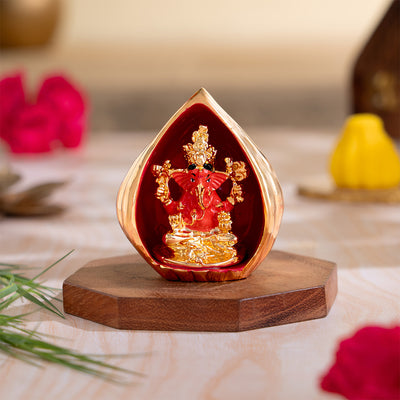
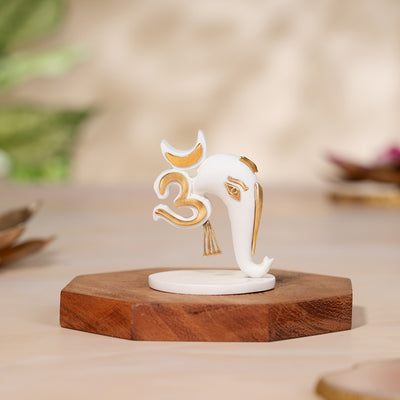
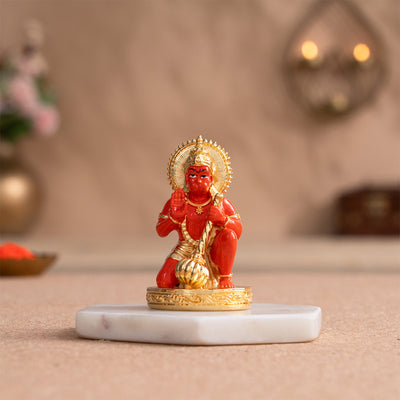
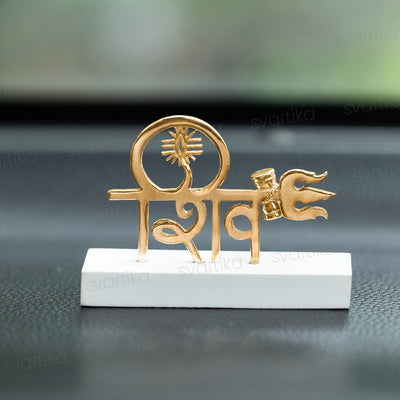
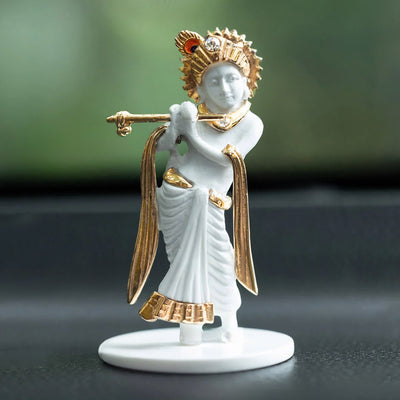
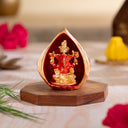
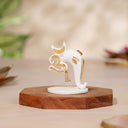
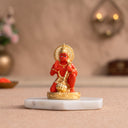
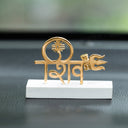
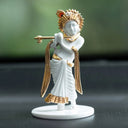
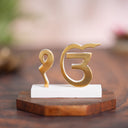
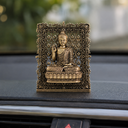
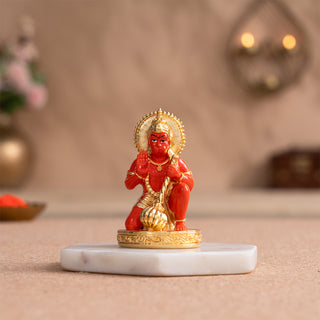
On a car it goes on the bumper or grille the day the car comes home, often alongside a small Ganesha or Hanuman for the dashboard.
How to tie lemon to car: how nimbu mirchi is actually done
Thread one lemon and seven green chillies, tie them outside at the front of the car on a Saturday morning, and change them weekly. That is custom, not a rule.
| Question | Common custom |
|---|---|
| How many | 1 lemon, 7 green chillies (5 or 3 also seen); some add charcoal |
| Thread | Black or plain cotton |
| Where on a car | Outside at the front: bumper, grille, number-plate bracket. On a scooter, the front mudguard |
| Which day | Saturday morning; some use Tuesday too |
| How often | Weekly, as it dries and blackens |
| The old one | Left at a crossroads, in running water or under a tree |
Avoid the rear-view mirror, where it blocks your view.
What to do if you step on nimbu mirchi?
Nothing. A belief recorded in South India in 1912 says a thrown-away charm passes its trouble to whoever first treads on it. 5
No scripture says so, and nothing has been shown to happen.
What the Puranas and the Sri Sukta actually say about Alakshmi
The texts know Alakshmi well but never mention a lemon or a chilli. Their remedy is a clean, calm, prayerful house.
The Linga Purana (Part 2, chapter 6) says she rose from the churning of the ocean (told in the Kurma avatar story) just before Lakshmi, so she is Jyeshtha, the elder. 1
She may enter homes where "husband and wife are at logger heads", but not homes where women worship her with offerings. So feeding her is in the text; the lemon is not.
The Padma Purana (Uttara Khanda, chapter 116) seats her under a peepal tree, worshipped on Saturdays, a possible root of the Saturday habit. 2
The Sri Sukta drives her out:
क्षुत्पिपासामलां ज्येष्ठामलक्ष्मीं नाशयाम्यहम् । अभूतिमसमृद्धिं च सर्वां निर्णुद मे गृहात् ॥
How to say it: kshut-pipaasaa-malaam jyeshthaam alakshmeem naashayaamyaham, abhootim asamriddhim cha sarvaam nirnuda me grihaat
In plain English: I drive out Alakshmi, the elder one, who is hunger, thirst and dirt. Push all want and ill-luck out of my house.
Śrī Sūkta (Rigveda khila), verse 8
Its cure is to invite Lakshmi in, as families do at Diwali Lakshmi Puja. 3
Why sour, then? A 1932 study notes that sour things cannot be offered to a god, but a charm-worker may use lemons. 4
Nimbu mirchi is younger than you think
Start with the chilli: an American plant that reached India through Goa with Portuguese traders in the 16th century. 6 So the string cannot be ancient.
Earlier records show chillies and salt waved round a sick child, then thrown into the fire. 5 Yet the colonial catalogues of evil-eye charms, from 1896, 1906 and 1912, describe no hanging string.
The earliest lemon hung at a door, in a book we could fully read, is from 1932. 4
Limes and green chillies "threaded together" appear in a 1974 book, and on a motor vehicle in a 1987 village study, but we saw both only as search snippets. Some books from those years could not be opened, so the custom may be older.
What is the Indian version of evil eye?
It is nazar in the north and drishti in the south. Families keep whichever charm their elders used.
- Kala tika: a kajal dot on a baby's cheek, recorded in 1912 as a way to make a child's face "ugly". 5
- Nazar battu: a deliberate flaw or ugly face that draws the eye.
- Door charms: a horseshoe at the threshold, a cousin of today's home entry decor.
Trucks paint a demon face on the axle hub and write "Buri nazar wale tera muh kala" (evil-eyed one, may your face be blackened).

In the south it is the drishti bommai, a fierce, horned face with its tongue out, on houses, shops and lorries.

Some trust a god's name instead: a 1914 Gujarat list of evil-eye guards includes a hymn to Hanuman kept in an anklet.
Can Hindus wear evil eye?
Yes. The blue bead is a folk charm, not a religious object, and no Hindu text mentions or forbids it.
Eye amulets go back to around 3300 BC in Mesopotamia, and the blue glass to Egypt.

It reached Indian cars only in the last decade or so, as a souvenir.
Why do we keep lemon under the tyre?
A lemon goes under each wheel so the new car's first movement crushes them, a small token offering before the road begins. It usually closes the new car pooja at home.
Nobody wrote the reason down; the earliest print mentions we found are from 1996 and 2008.
The likeliest root is goddess worship, where limes were thrown so "greedy demons" would grab them instead of a person; the ash gourd broken at Ayudha Puja works the same way.

On Dussehra in October 2019, Defence Minister Rajnath Singh put a lemon under the wheels of India's first Rafale jet during a shastra puja in France. 7
One caution. In September 2025 in East Delhi, a new owner rolling over the lemon in a first-floor showroom pressed the accelerator too hard, and the car fell about 15 feet through the glass wall. 8 Three people were treated and sent home.
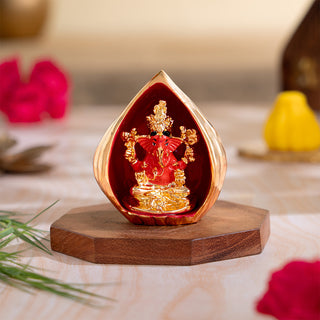
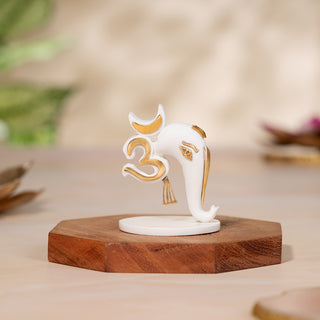
So do it outside, in first gear, at walking pace, on one of the auspicious dates to buy a vehicle in 2027. Many families start that pooja with Ganesha and keep a small Ganesha in the car.
What people get wrong about nimbu mirchi
- "Alakshmi is Lakshmi's twin." The texts call her the elder, married to Duhsaha in one Purana and Uddalaka in the other.
- "There is a scientific reason." No study has tested the string, and a whole lemon and uncut chillies give off almost nothing to bother insects.
How to protect a car from nazar without hanging anything
Do a short pooja when the car comes home, keep a small deity on the dashboard, and keep the car clean and the driver calm. That is close to what the Linga Purana says keeps misfortune out. 1
The pooja needs a few pooja essentials: haldi-kumkum, flowers, a diya and a coconut. Friends often bring gifts for a new car puja.
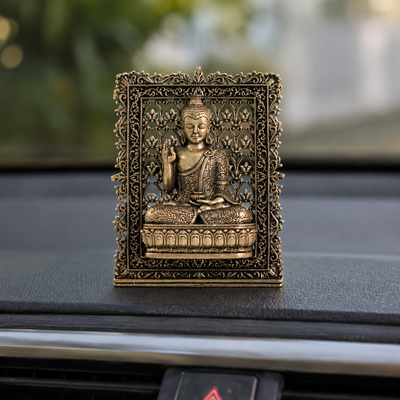
Ganesha and Hanuman are the usual choices. Read what scripture says about a murti in the car, then browse idols sized for a car dashboard.
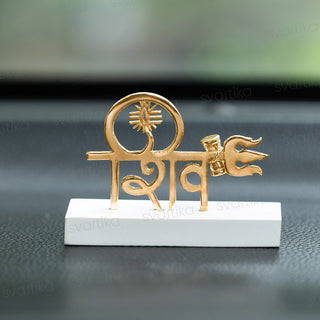
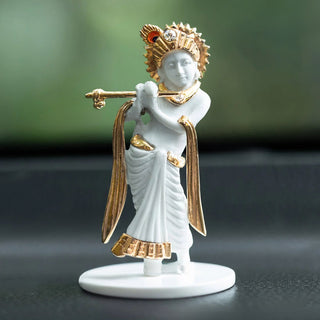
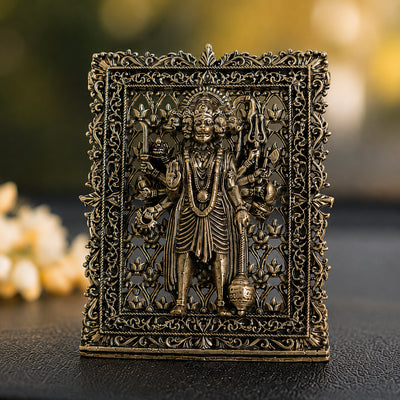
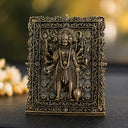
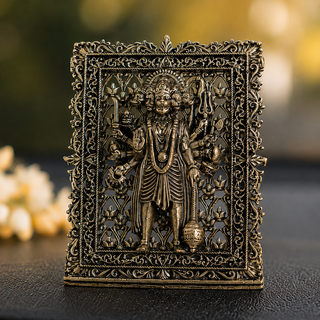
A brass framed Panchmukhi Hanuman is a common pick; more are in our Hanuman idols.

The Motor Vehicles (Driving) Regulations, 2017 say the driver "shall ensure that his view is not obstructed". 9 So keep the idol low on the centre of the dash, clear of the SRS AIRBAG panel; how to stick an idol on a car dashboard safely has the details.
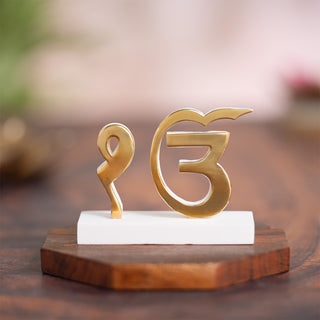
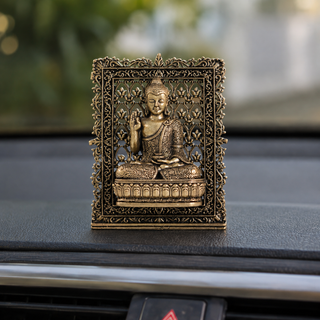
And if your family ties a fresh nimbu mirchi to the bumper every Saturday, carry on. Out there it blocks nothing.
Also read: New Car Pooja Vidhi at Home | Vehicle Purchase Muhurat 2027 | Keeping a Murti in Your Car: What Scripture Actually Says | How to Stick an Idol on a Car Dashboard (Safely) | Best Car Warming Gifts for a New Car Puja