A small test. Think of a Diwali gift hamper you received two or three years ago. Can you name a single thing that was in it?
Most people cannot. The box gets bigger every year, the ribbon gets fancier, the filler paper gets thicker, and the gift itself gets harder to remember. This guide covers the hamper builds that survive that test, what each costs, and how to order online without the usual regrets.
What actually makes a Diwali hamper worth sending
Every good hamper follows the same shape: one anchor object, and everything else in service of it.

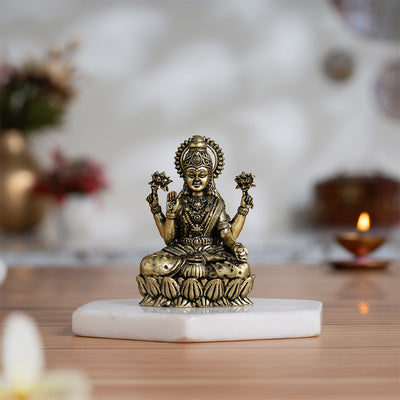
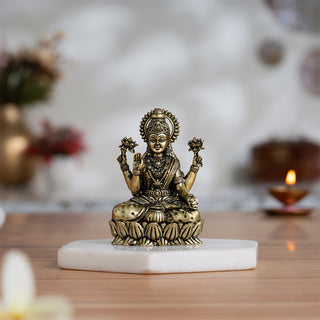
The anchor is the thing that stays. A brass idol, a diya set, a pooja thali, a pocket temple. It goes on a shelf or into the pooja room and it is still there in March. Around it you put the perishables: sweets, dry fruit, a candle, a small box of loban.
Flip that ratio and the hamper stops working. A box that is 80% sweets and 20% token gift is a food delivery with a bow on it.
Fit matters as much as budget. A joint family with a full mandir needs something different from a couple in a one-bedroom flat. If you barely know the household, an idol pair or a diya set is close to universal, because nobody has ever been annoyed to receive a good brass diya. If you know them well, go narrower and more personal. There is separate logic for gifting a couple versus gifting a household.
One honest note before the list: hampers are a modern commercial format. No scripture describes a curated box with a ribbon. What carries over from tradition is the reasoning about measure and intent, not the packaging, which is also why a modest well-chosen gift has never been something to apologise for.
Six Diwali hamper builds that people actually keep
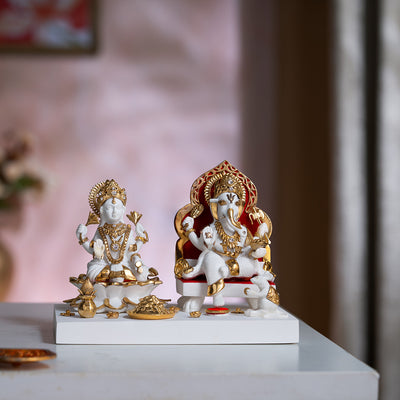
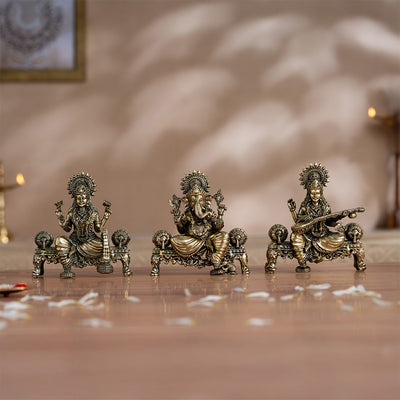
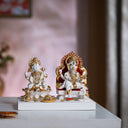
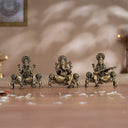
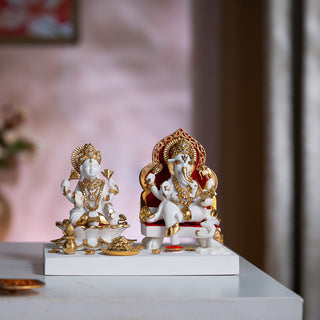
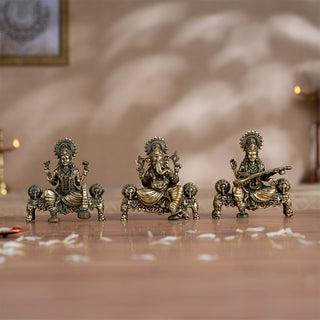
- The classic Lakshmi Ganesh build (₹3,500 to ₹6,000). A Ganesh Lakshmi murti pair as the anchor, two diyas, sweets. The safest hamper there is for a family home. Where the pair sits afterwards matters, and the position guide covers it.
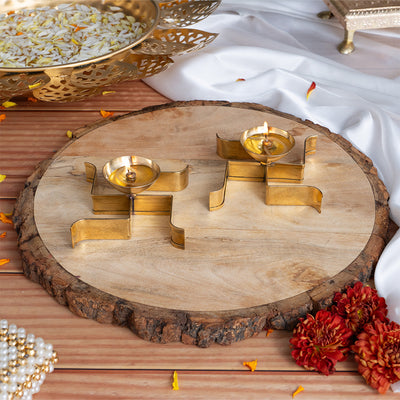
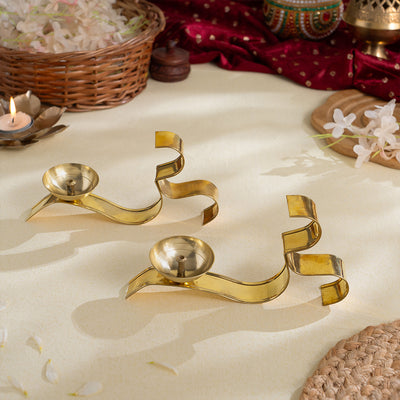
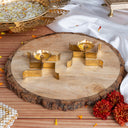
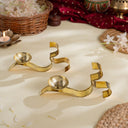
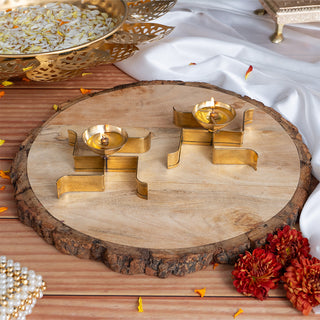
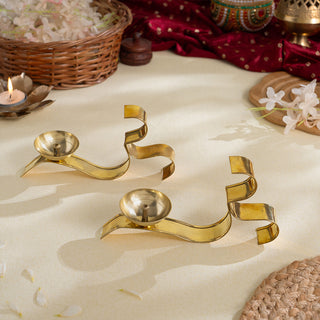
- The lamp build (₹2,000 to ₹4,000). Three or four brass diyas in different shapes, a bottle of oil, wicks. Cheap to assemble, impossible to dislike, and used the same evening it arrives.
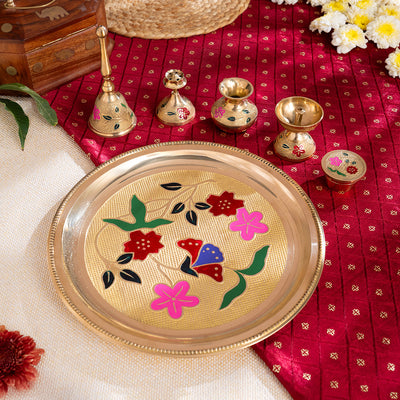
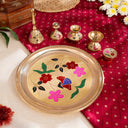
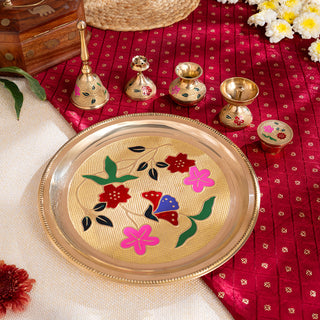
- The pooja thali build (₹3,000 to ₹5,500). A thali with its small containers, plus loban and a diya. Best for a household that does a proper Lakshmi Puja rather than a token one: see the Lakshmi Puja rituals and timings. Top up from pooja essentials.
- The small-flat build (₹1,800 to ₹3,000). A pocket temple, one diya, one sweet box. Our own pocket temple gift hampers are already built this way, just under ₹3,000. For people with no dedicated mandir, which in most Indian cities is most people under thirty-five.
- The office build (₹1,000 to ₹2,500). Identical, tasteful, not leaning on any one deity. Urlis and plain brass diyas do this job well. For fifty of them, the corporate gifting guide, the Diwali gifts for an office list range and the notes on bulk gift items will save you a week.
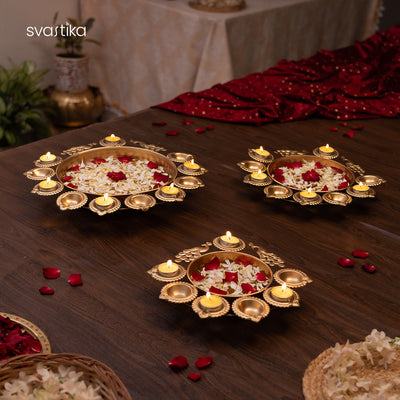
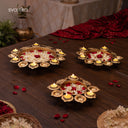
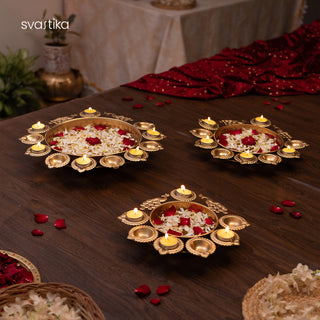
- The decor build (₹2,500 to ₹6,000). An urli with floating diyas, or a table piece from table decor. For the household that already owns every puja item you could think of. Pair it with the Diwali home decoration items list.
If you would rather not assemble anything, skip the box and send one good piece: Diwali gifts under 3,000 is where to browse by budget, and Dhanteras gifts if you are sending earlier in the week.
Where the money should and should not go
One rule holds up every year: spend on the anchor, economise on everything else.
A ₹3,000 hamper with a ₹2,200 brass idol and ₹800 of good sweets reads as generous. A ₹3,000 hamper with ₹700 of contents, ₹900 of packaging and the rest in margin reads as exactly what it is, and people can tell within about four seconds of opening it.
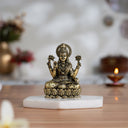
Material is the honest signal. Solid brass, real silver plating and marble dust hold up under handling in a way that plated novelty does not. Browse brass idols, the gold and silver plated range, or the marble-dust pieces at the top end. The same principle drives our budget gifts that still look premium.
The other place people overspend is quantity. Sending six people a ₹1,500 hamper each is almost always better than sending two people a ₹4,500 one and skipping four. Unless one of those relationships genuinely deserves the larger gesture, in which case send it, and do not apologise for the others being smaller.
| Budget | Anchor | Send to |
|---|---|---|
| ₹1,000 to ₹1,500 | One brass diya, or a pocket temple | Staff, vendors, a large list |
| ₹2,000 to ₹3,000 | Diya set, or a pocket temple with a diya | Colleagues, neighbours, clients |
| ₹3,500 to ₹6,000 | Lakshmi Ganesh pair, pooja thali set | Family, close friends |
| ₹6,000 up | A large brass or marble-dust murti | Parents, in-laws, one key client |
For clients and vendors, one thing worth being honest about: the moment a corporate gift reads as a bid for something, the person receiving it feels it. That does not make it wrong, it just means the gift should be good enough to stand on its own. The client gifting piece and the one on startups using hampers to build brand both sit with that tension, and bulk gift items handles the volume end.
Ordering online without the usual regrets
Order 10 to 14 days out. The week before Diwali, courier networks in India are at their worst and every gifting site is quoting optimistic dates. Two weeks is comfortable. Ten days is fine. Four days is a gamble you will lose at least once. Diwali 2026 is Sunday, 8 November (Dhanteras Friday, 6 November).
Check the dimensions, not the photo. Idols photograph enormous. A 6 inch murti is genuinely small in the hand. Read the size line before you fall for the styling.
Send it to arrive before Dhanteras, not on Diwali. A hamper landing on Diwali morning gets opened in chaos. One that arrives three days early gets unpacked properly, and the diyas actually get used on the night.
Confirm the delivery address twice. Half of festive gifting goes to office addresses that empty out for the holiday. Ask before you ship.
Write something by hand. One line lifts an ordinary hamper above an expensive impersonal one. It costs nothing and it is the part people mention back to you.
Think about the second year. Brass darkens, silver plating dulls, marble collects dust. None of that is a defect. If you are gifting something that will be handled and washed, it helps to include how to clean a marble idol.
What to avoid
Sweets-only boxes, unless you know the household eats them; most receive four and finish one. Dry fruit in decorative jars, which is the single most re-gifted item in India. Scented candles and diffusers, which everybody already has too many of. Anything with your company logo printed on the gift itself rather than the card. Oversized boxes padded with filler, which is what makes a hamper feel cheap regardless of price. And crockery or glassware, which arrives broken often enough that it is not worth the risk in peak courier season.
One last idea, if you want the gift to say something
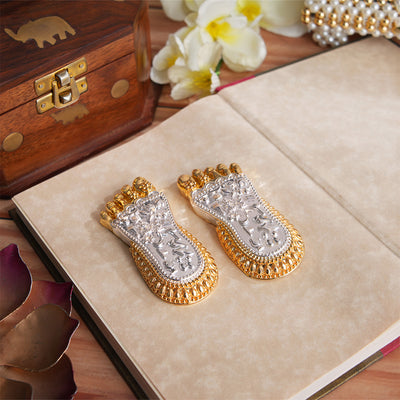
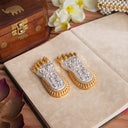
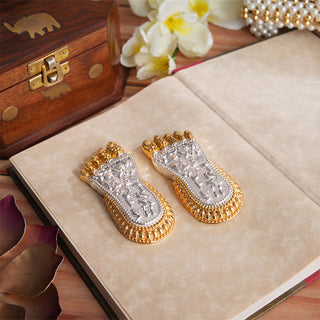
Among everything sent at Diwali, the most interesting object is the charan paduka: a small pair of Lakshmi's footprints, placed at the entrance or in the shrine, turned inward towards the house.

The symbolism is unambiguous and slightly bold. You are not asking for wealth, you are marking the direction you would like her to walk. It is the one Diwali gift that is a wish rather than a possession, and a Lakshmi charan paduka costs less than most sweet boxes at around ₹1,800. If you send one, tell the person which way the feet should face: inward, towards the home. The placement guide has the rest, and the charan paduka range has the Balaji and Krishna versions.
If you take one thing from all this: build around one object, spend where it shows, and send it early. The ribbon, the filler and the tier you were upsold to, nobody remembers by March. Whether hampers are worth the hype at all is a fair question, and why hampers took over festive gifting takes it on directly.
Also read: Why Diwali Gift Hampers Took Over Festive Gifting | How to Choose a Diwali Gift for a Husband and Wife | Diwali Lakshmi Puja: Rituals and Timings | Diwali Corporate Gifting | 12 House Warming Ceremony Gifts