Most Diwali diya decoration goes wrong in the same way: forty identical tealights spread thin across every surface, all of them burnt out by nine o'clock. A smaller number of better lamps, placed deliberately, looks far more like a festival.
Here is how to set it up, what to buy at each budget, and the three placements that do most of the work.
Diwali diya decoration ideas, by budget
| Budget | What to buy | Where it goes |
|---|---|---|
| Under ₹1,200 | A pair of brass diyas, an Om or swastika diya set | Threshold, window ledges, balcony rail |
| ₹1,200 to ₹2,000 | A brass pooja thali with aarti diya | The puja room, used on the night itself |
| ₹2,000 to ₹3,000 | A water urli with diya holders, a heavier deity diya | Entrance floor, or the centre of the main table |
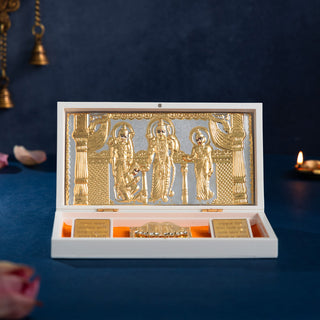
| ₹3,000 and above | A brass or gold-plated murti for the mandir | The one piece that stays out all year |
Start at the door, not the floor
The entrance carries the whole look, and it is the part people leave until last. A torana across the main door, marigold strung in long rows rather than short loops, and a rangoli that uses real material (flower petals, haldi, kumkum) instead of synthetic powder.

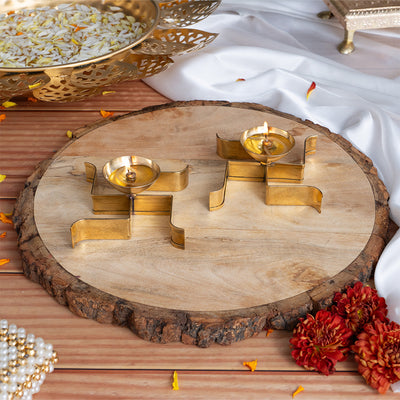
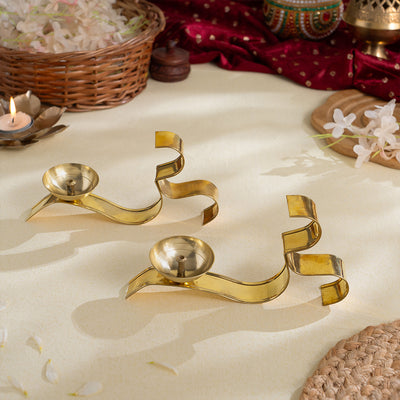
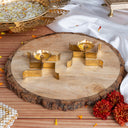
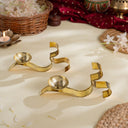
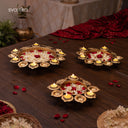
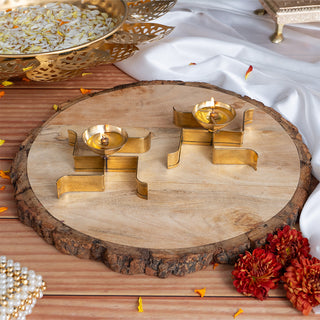
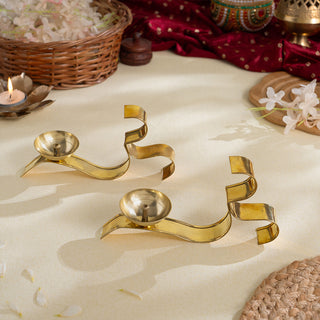
Then flank the door with two matched diyas rather than scattering six. A swastika brass diya set at ₹1,149 or the Om handled brass diya pair at ₹1,049 are made for this: two of the same thing, at the same height, on either side. The handled version is the safer pick if you have a windy balcony, since you can move it lit.
One raised lamp beats forty tealights
The oldest Kartika lamp instructions describe a single lamp set on a high place near the deity, not lamps scattered across the floor.
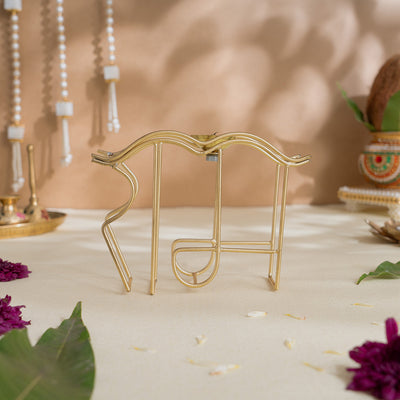
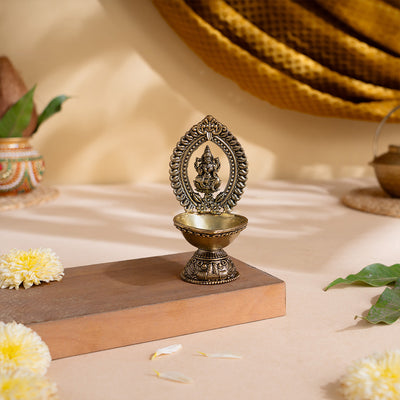
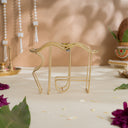
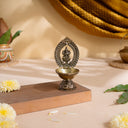
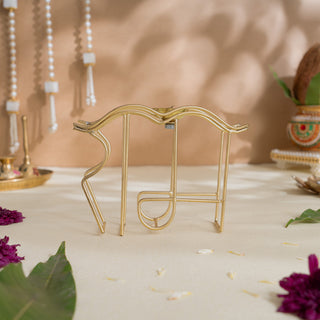
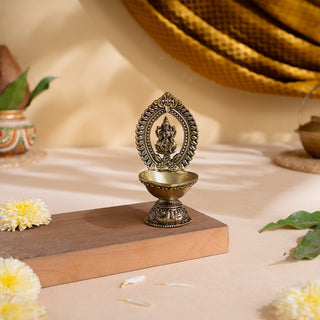
Put your best lamp on the mandir shelf or a raised stand. The Lakshmi brass diya at ₹2,749 is heavy enough to hold a decent oil well, which matters because a shallow diya needs refilling halfway through the aarti. In the north and west, the Ram symbol brass diya at ₹1,149 is the popular alternative. Both sit in the wider brass diya range.
Keep the cheap small lamps for the boundary: thresholds, window ledges, the top of the stairs. That is where quantity actually helps.
Float a lamp in water
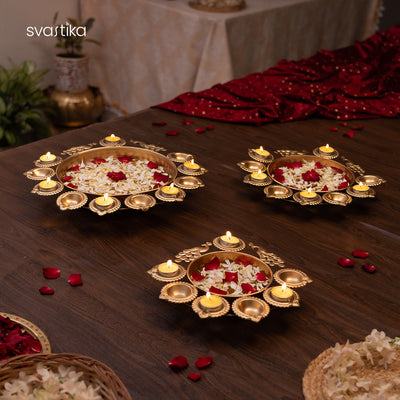
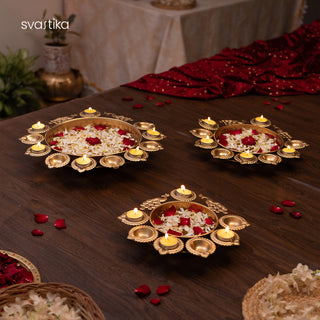
This is the most under-used idea on any Diwali list, and it photographs better than anything else you will do. A wide bowl of water with lamps floating in it, set near the entrance or in the middle of the table.

A peacock urli with diya holders at ₹2,799 is the ready-made version, and the rest of the urli range covers plainer shapes. It doubles as table decor for the rest of the year, which is why it is worth the spend. Float a few marigold heads with the lamps and top the water up before guests arrive, since it evaporates fast next to a flame. The same idea runs through the river lamps at Chhath.
Get the puja room right before the rest of the house
On the night itself the mandir is where everyone actually gathers, so do it first. A clean thali, fresh wicks from the pooja essentials range, the idols wiped down properly (marble and brass want different handling).
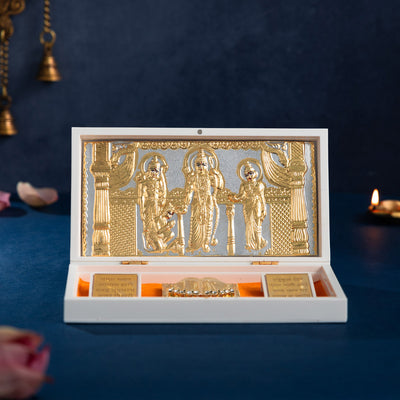
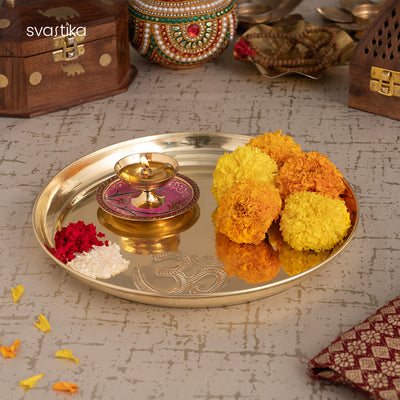
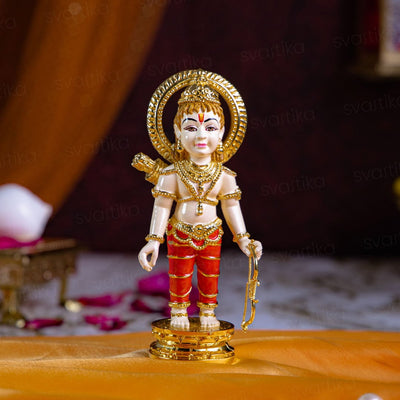
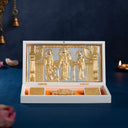
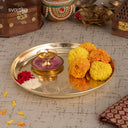
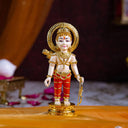
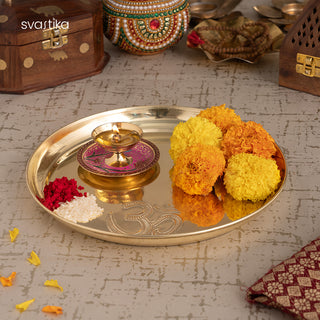
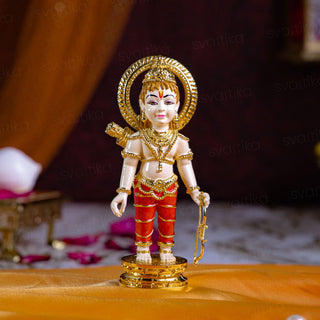
An Om brass pooja thali with aarti diya at ₹1,349 covers the plate and the lamp in one, which is usually what people are missing. The pooja thali collection has larger sets, and our checklist of what belongs in a pooja room is worth a read if you are setting one up from scratch. For a new mandir, a Ram idol at ₹2,899 or anything from the Rama collection is the piece that stays out long after the lamps are packed away.
Where the Diwali diya tradition actually comes from
Worth knowing, because it changes what you buy. The line everyone repeats is that Ayodhya lit rows of lamps to welcome Rama home. Valmiki's Ramayana does describe the welcome in detail, and it lists levelled roads, sprinkled water, strewn grain and flowers, five fragrant colours and flags on every house.1 Rows of lamps are not in it.2
The lamp instructions come from the Kartika-month material instead, which is where the raised seven-wick lamp and the floating lamp both originate. Rama's homecoming and the Kartika lamp vows are two old traditions that grew into each other, which is why Diwali Lakshmi Puja can feel like a separate festival sitting beside the Ayodhya story.
None of that makes the Rama lamp wrong to buy. It just means the flags, the rangoli and the garlands have as much claim on your doorway as the diyas do, and almost nobody does them.
What to avoid
- Spreading lamps thin. Two good lamps at the door beat ten weak ones around the flat.
- Shallow diyas for a long evening. A narrow oil well burns out during the aarti. Buy depth, not just shape.
- Plated finishes near an open flame. Use solid brass for anything you light; keep plated pieces decorative.
- Synthetic rangoli powder at the threshold. Petals, haldi and kumkum look better and clean up easier.
- Ordering in Diwali week. Diwali 2026 is Sunday, 8 November, and Dhanteras shopping falls on Friday, 6 November. This is the busiest dispatch window of the year. Order ten to fourteen days out.
A set-up order that works
Door first: torana, flags, garlands in long rows, rangoli with real fragrance in it. Then the mandir: one raised lamp, a clean thali, fresh wicks. Then the water bowl near the entrance. Then, last, the small lamps along thresholds and ledges.
Doing it in that order means the parts guests actually see are finished before you run out of time, which is what usually happens.
If you are also sorting Diwali gifts or a Diwali hamper, do it the same week you order the lamps, not on the day. Our wider list of Diwali home decoration items and the home decor range cover everything outside the puja room, and the same brass-and-lamp approach works for Durga Puja decoration at home.
Also read: How Did Ram Die | Lord Rama's Brothers | The Real Father of Sita | The Brothers of Ravana | Diwali Lakshmi Puja 2026